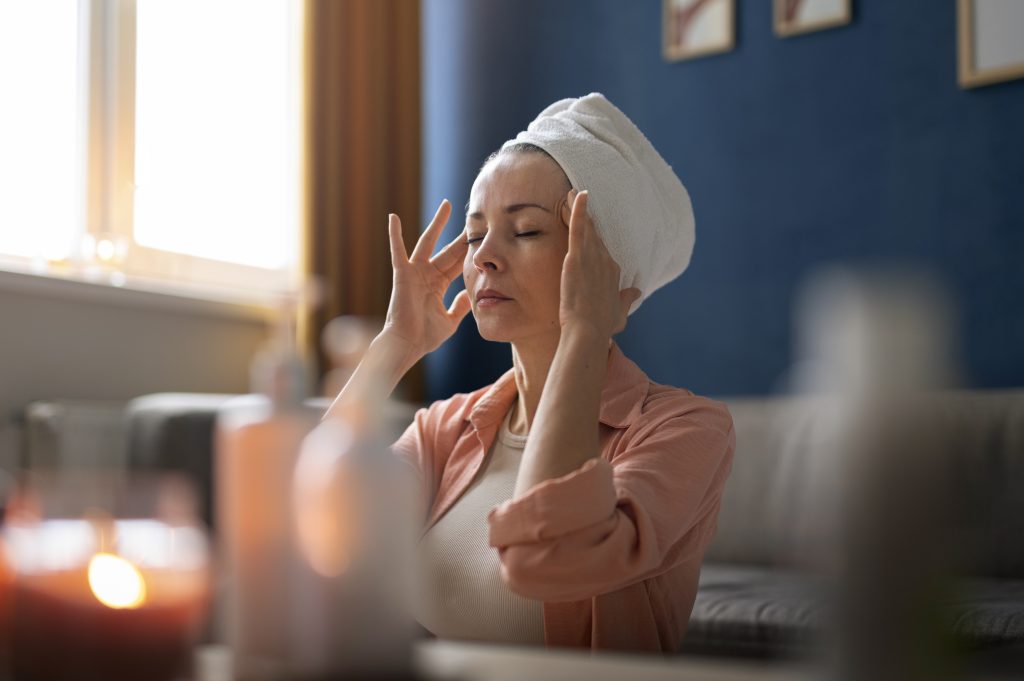
The quest for youthful, resilient skin often leads consumers down a labyrinth of expensive serums, invasive procedures, and trending supplements. However, dermatological science and longevity research increasingly point to a different truth: the most profound anti-aging interventions are not found in a bottle, but in the rhythm of the morning routine. The hours immediately following waking represent a critical biological window where hormonal cascades, cellular repair mechanisms, and metabolic processes can be optimized to slow the visible and structural signs of aging. By aligning daily habits with the body’s natural circadian biology, it is possible to enhance skin barrier function, reduce oxidative stress, and promote collagen synthesis without relying solely on topical interventions.
Understanding the mechanics of skin aging requires looking beyond surface-level wrinkles. Intrinsic aging, driven by genetics and time, accounts for a portion of skin changes, but extrinsic aging—caused by environmental factors and lifestyle choices—plays a dominant role in how quickly skin loses elasticity and radiance. The morning routine serves as the foundational defense against these extrinsic accelerants. From the moment the eyes open, the body begins a complex sequence of rehydration, cortisol regulation, and thermal adjustment. Disrupting or neglecting these processes can lead to chronic inflammation, a primary driver of collagen breakdown known as “inflammaging.” Conversely, a structured, evidence-based morning protocol can signal the body to prioritize repair and protection, creating a compounding effect that preserves skin health over decades.
Hydration: The Cellular Foundation of Youthful Skin
After six to eight hours of sleep, the body exists in a state of relative dehydration. During rest, water is lost through respiration and trans-epidermal water loss, yet no fluids are replenished. This mild dehydration state has immediate consequences for the skin, which relies heavily on adequate hydration to maintain turgor, elasticity, and the efficiency of its barrier function. When skin cells are dehydrated, they shrink, making fine lines more apparent and the complexion appear dull. More critically, dehydration impairs the skin’s ability to flush out metabolic waste products that accumulate overnight, potentially leading to congestion and inflammation.
The first strategic move in an anti-aging morning routine is the consumption of water before any other substance. While the popular recommendation of “eight glasses a day” is a general guideline, the timing of intake is equally significant. Consuming 16 to 20 ounces of room-temperature water immediately upon waking jumpstarts gastrointestinal motility and facilitates rapid systemic rehydration. This influx of fluid supports the dermal matrix, the structural network of collagen and elastin fibers that keeps skin firm. Research indicates that well-hydrated skin demonstrates improved microcirculation, allowing for better delivery of nutrients to skin cells and more efficient removal of toxins.
Beyond plain water, the inclusion of electrolytes or mineral-rich water can further enhance cellular uptake. Sodium, potassium, and magnesium are essential for maintaining the osmotic balance that allows water to enter cells effectively. Without these minerals, water may pass through the system without being fully utilized at the cellular level. For those seeking additional benefits, adding a slice of lemon provides a modest dose of vitamin C, a potent antioxidant necessary for collagen synthesis, though the primary benefit remains the volume of fluid itself. The goal is to restore plasma volume and ensure that the skin’s deepest layers receive the hydration required to function optimally throughout the day.
For a deeper understanding of how hydration impacts skin physiology, the National Institutes of Health offers extensive resources on water balance and tissue health. Furthermore, studies published in journals such as Clinical, Cosmetic and Investigational Dermatology have highlighted the correlation between high water intake and improved skin density and thickness, suggesting that internal hydration is a non-negotiable pillar of any anti-aging strategy. Ignoring this step forces the skin to operate in a deficit, accelerating the appearance of fatigue and age.
Circadian Rhythm Alignment and Cortisol Management
The body operates on a precise 24-hour cycle known as the circadian rhythm, which regulates everything from hormone release to cell regeneration. In the context of skin health, this rhythm dictates when the skin focuses on protection versus when it focuses on repair. During the day, skin cells are in a defensive mode, shielding against UV radiation and pollution. At night, they shift to repair mode, increasing blood flow and cell division. The transition between these phases occurs in the morning, governed largely by the hormone cortisol.
Cortisol, often labeled the “stress hormone,” follows a natural diurnal pattern, peaking shortly after waking to promote alertness and mobilize energy. However, in modern lifestyles, this peak can become exaggerated or prolonged due to chronic stress, poor sleep quality, or erratic waking times. Chronically elevated cortisol levels are detrimental to skin health; they break down collagen and elastin, suppress the immune system, and increase oil production, leading to acne and accelerated wrinkling. Therefore, managing the morning cortisol spike is not just about mental calmness—it is a direct anti-aging intervention.
One of the most effective ways to regulate this hormonal surge is through exposure to natural light within the first hour of waking. Sunlight entering the eyes signals the suprachiasmatic nucleus in the brain to synchronize the body’s internal clock. This exposure helps normalize the cortisol curve, ensuring it peaks appropriately in the morning and declines steadily throughout the day, allowing melatonin to rise at night. This synchronization improves sleep quality, which is when the majority of skin repair occurs. A disrupted circadian rhythm leads to fragmented sleep, reducing the time skin spends in its regenerative phase and resulting in a sallow, aged appearance.
In addition to light exposure, the manner in which one wakes up matters. Abrupt alarms that induce a “fight or flight” response can cause an unnecessary spike in stress hormones. Gradual waking methods, such as sunrise simulation alarms or gentle stretching, allow for a smoother transition. Mindfulness practices, even for five minutes, can dampen the sympathetic nervous system’s overreaction, keeping cortisol levels within a healthy range. The Sleep Foundation provides comprehensive data on how circadian alignment influences overall health, including skin integrity. By treating the morning wake-up as a biological reset rather than a frantic rush, individuals can protect their skin’s structural proteins from stress-induced degradation.
Nutritional Strategies for Collagen Synthesis and Antioxidant Defense
What enters the body in the morning sets the metabolic tone for the subsequent twelve hours. An anti-aging breakfast is not merely about caloric intake; it is about providing the specific building blocks required for collagen production and neutralizing free radicals. Collagen, the most abundant protein in the skin, requires specific amino acids—glycine, proline, and lysine—as well as vitamin C to form its stable triple-helix structure. Without these nutrients, the body cannot repair the daily micro-damage inflicted by environmental stressors.
A protein-rich breakfast is essential for supplying these amino acids. Sources such as eggs, Greek yogurt, or plant-based proteins like hemp seeds provide high-quality protein that supports tissue repair. Eggs, in particular, are rich in biotin and sulfur, nutrients vital for maintaining skin elasticity and strength. Conversely, a breakfast high in refined sugars and simple carbohydrates triggers a rapid spike in blood glucose, followed by an insulin surge. This process leads to glycation, a reaction where sugar molecules bind to collagen fibers, making them stiff and brittle. Glycated collagen is prone to breaking, leading to sagging skin and deep wrinkles. Avoiding sugary cereals, pastries, and sweetened beverages is therefore a critical step in preventing premature aging.
Antioxidants play an equally pivotal role in the morning meal. Throughout the day, skin is bombarded by free radicals from UV light and pollution. These unstable molecules steal electrons from healthy skin cells, causing oxidative stress and DNA damage. Consuming antioxidant-rich foods in the morning primes the body’s defense systems. Berries, such as blueberries and strawberries, are packed with anthocyanins and vitamin C. Leafy greens provide lutein and zeaxanthin, which protect against light-induced damage. Green tea, consumed instead of coffee or alongside it, offers catechins, specifically epigallocatechin gallate (EGCG), which has been shown to protect skin cells from UV-induced inflammation and carcinogenesis.
The concept of “eating the rainbow” is not just a marketing slogan but a biochemical necessity for skin health. Different pigments in plants correspond to different antioxidants that target specific pathways of aging. For instance, the lycopene in tomatoes protects against sunburn and long-term photoaging, while the beta-carotene in carrots improves skin tone and acts as a natural sun protectant. Integrating these diverse nutrients into the first meal ensures that the skin’s reservoir of antioxidants is full before the day’s exposures begin. Resources from the American Academy of Dermatology emphasize the link between diet and skin health, noting that nutrient-dense whole foods are superior to supplements for bioavailability and synergistic effects.
Gentle Cleansing and Barrier Preservation
The approach to morning cleansing is often misunderstood, with many individuals adhering to the same rigorous routine used in the evening. However, the skin’s needs in the morning differ significantly from its needs at night. During sleep, the skin is not exposed to makeup, sunscreen, or environmental pollutants. Instead, it has been engaged in secreting sebum and sweat, which form a natural protective film. Over-cleansing in the morning can strip away this lipid barrier, leaving the skin vulnerable to dehydration and irritation.
For most skin types, especially those that are dry or mature, a gentle rinse with lukewarm water is sufficient in the morning. If a cleanser is necessary, perhaps for those with oily or acne-prone skin, it should be a mild, non-foaming formulation with a pH balance close to that of healthy skin (approximately 5.5). Harsh surfactants, often found in foaming cleansers, can disrupt the acid mantle, the thin film on the skin’s surface that inhibits bacterial growth and retains moisture. A compromised acid mantle leads to increased trans-epidermal water loss and heightened sensitivity, accelerating the appearance of fine lines and redness.
The temperature of the water used for cleansing is also a critical factor. Hot water causes vasodilation, which can lead to broken capillaries and chronic redness, particularly in those with rosacea or sensitive skin. It also strips natural oils more aggressively than cool or lukewarm water. Conversely, cold water can help constrict blood vessels temporarily, reducing puffiness, but may not effectively remove excess oil. Lukewarm water strikes the ideal balance, cleaning the skin without causing thermal stress.
Preserving the skin barrier is synonymous with slowing aging. The barrier functions as the gatekeeper, keeping irritants out and moisture in. When this barrier is intact, the skin appears plump and reflective. When damaged, it becomes rough, dull, and prone to inflammation. Dermatologists often recommend the “less is more” approach for morning cleansing to maintain this delicate equilibrium. Detailed guidelines on proper cleansing techniques can be found through the Skin Cancer Foundation, which also highlights the importance of preparing the skin correctly for subsequent protective measures like sunscreen application.
Strategic Photoprotection: The Ultimate Anti-Aging Agent
If there is a single most effective habit for slowing skin aging, it is the consistent application of broad-spectrum sunscreen. Photoaging, the premature aging of the skin caused by repeated exposure to ultraviolet (UV) radiation, is responsible for up to 90% of visible skin changes. UV rays penetrate the skin and generate free radicals that degrade collagen and elastin, leading to wrinkles, leathery texture, and hyperpigmentation. Unlike intrinsic aging, which is gradual, photoaging is cumulative and largely preventable.
Morning is the non-negotiable time for sunscreen application, regardless of the weather or the amount of time spent outdoors. UVA rays, which are primarily responsible for aging, can penetrate clouds and glass windows, meaning exposure occurs even while driving or sitting near a window indoors. A broad-spectrum sunscreen with an SPF of 30 or higher is the standard recommendation. SPF 30 blocks approximately 97% of UVB rays, which cause burning, while the “broad-spectrum” label ensures protection against UVA rays as well.
The formulation of the sunscreen matters as much as the SPF rating. Mineral sunscreens containing zinc oxide or titanium dioxide sit on top of the skin and reflect UV light, making them less likely to cause irritation, which is beneficial for sensitive or aging skin. Chemical sunscreens absorb UV radiation and convert it into heat, which can sometimes trigger inflammation in reactive skin types. Regardless of the type, the key is generous application. Most people apply only half the recommended amount, drastically reducing the actual protection level. Approximately one teaspoon is needed for the face and neck to achieve the labeled SPF.
Reapplication is another crucial component, though often neglected in morning routines. While a morning application provides a strong foundation, protection diminishes over time due to sweating, rubbing, and natural degradation of the filters. For those spending extended time outdoors, reapplying every two hours is essential. For office workers, a powder sunscreen or a mist applied over makeup during the midday slump can help maintain protection levels. The Centers for Disease Control and Prevention provides rigorous guidelines on sun safety, emphasizing that sunscreen is a daily necessity, not just a beach accessory. Making this a reflexive part of the morning ritual is the most powerful investment one can make in long-term skin health.
Lymphatic Drainage and Mechanical Stimulation
Beyond chemical and nutritional interventions, mechanical stimulation of the skin and underlying tissues can yield significant anti-aging benefits. The lymphatic system, which acts as the body’s waste disposal network, lacks a central pump like the heart. Instead, it relies on muscle movement and manual manipulation to circulate lymph fluid and remove toxins. Overnight, lymph fluid can accumulate in the facial tissues, leading to morning puffiness, particularly around the eyes and jawline. This stagnation can contribute to a bloated appearance and hinder the delivery of nutrients to skin cells.
Gentle facial massage or the use of tools like jade rollers, gua sha stones, or simply clean hands can stimulate lymphatic drainage. The technique involves light, upward, and outward strokes, moving from the center of the face toward the lymph nodes located near the ears and collarbone. This motion encourages the movement of excess fluid, reducing puffiness and defining facial contours. Unlike deep tissue massage, lymphatic drainage requires very light pressure; pressing too hard can collapse the lymphatic vessels and impede flow.
In addition to drainage, mechanical stimulation boosts microcirculation. Increased blood flow brings oxygen and nutrients to the skin’s surface, promoting a healthy, rosy glow and supporting cellular turnover. Regular massage may also stimulate fibroblasts, the cells responsible for producing collagen, although more research is needed to quantify the long-term structural changes. However, the immediate benefits of reduced edema and improved tone are well-documented. This practice also offers a moment of mindfulness, reducing facial tension that can contribute to dynamic wrinkles caused by repetitive muscle contractions, such as frown lines.
It is important to perform these techniques on lubricated skin to avoid friction, which can stretch the skin and cause micro-tears. Applying a facial oil or serum before massage ensures the tools glide smoothly. Consistency is key; incorporating a two-to-three-minute massage into the morning routine can compound benefits over time. Expert demonstrations and anatomical guides are available through reputable wellness and dermatology platforms, such as those endorsed by the National Center for Complementary and Integrative Health, which explore the physiological effects of manual therapies.
Comparison of Morning Habits and Their Impact on Skin Aging
To visualize the specific contributions of each habit, the following table contrasts common negligent behaviors with optimized, science-backed alternatives and their projected long-term outcomes on skin health.
| Habit Category | Common Negligent Behavior | Optimized Science-Backed Habit | Primary Mechanism of Action | Long-Term Skin Outcome |
|---|---|---|---|---|
| Hydration | Skipping water until coffee; drinking sugary juices | 16-20 oz room-temp water with electrolytes immediately | Restores plasma volume; supports dermal matrix turgor | Improved elasticity; reduced appearance of fine lines |
| Light Exposure | Waking in dark rooms; checking phone screens immediately | 10 mins natural sunlight within 1 hour of waking | Synchronizes circadian rhythm; regulates cortisol | Better sleep quality; reduced collagen breakdown |
| Nutrition | High-sugar cereals; processed pastries | High-protein meal with antioxidant-rich berries/greens | Prevents glycation; supplies collagen-building amino acids | Firmer skin texture; protection against oxidative stress |
| Cleansing | Hot water; harsh foaming cleansers | Lukewarm water; pH-balanced gentle cleanse or water only | Preserves acid mantle; prevents barrier disruption | Reduced sensitivity; maintained moisture levels |
| Protection | Skipping sunscreen on cloudy days; low SPF | Broad-spectrum SPF 30+ daily; generous application | Blocks UVA/UVB induced DNA damage and free radicals | Prevention of photoaging, spots, and leathery texture |
| Stimulation | No facial movement; rushing routine | 2-3 mins lymphatic drainage massage | Enhances waste removal; boosts microcirculation | Reduced puffiness; enhanced radiance and contour |
This comparison underscores that the difference between accelerating and decelerating aging often lies in the nuance of daily execution. Small deviations from optimal habits can compound over years, leading to significant divergence in skin quality. The optimized column represents a holistic approach that addresses the biological, chemical, and physical needs of the skin simultaneously.
Frequently Asked Questions Regarding Morning Anti-Aging Routines
Q: Is it necessary to wash my face in the morning if I washed it thoroughly the night before?
A: For individuals with dry or mature skin, washing with a cleanser in the morning is often unnecessary and can be counterproductive. The skin produces sebum and sweat overnight, which forms a protective barrier. Stripping this away can lead to dryness and irritation. A splash of lukewarm water is usually sufficient to refresh the skin without compromising the barrier. Those with oily or acne-prone skin may benefit from a gentle, non-stripping cleanser to remove excess oil, but harsh scrubbing should be avoided.
Q: Can drinking water really replace the need for moisturizers?
A: While internal hydration is fundamental for skin plumpness and cellular function, it cannot fully replace the role of topical moisturizers. Moisturizers work by occluding the skin surface to prevent trans-epidermal water loss and by adding humectants that draw water into the outer layer. Internal hydration supports the deeper layers of the dermis, while topical moisturizers protect the epidermis. Both are essential components of a comprehensive anti-aging strategy and work synergistically rather than as substitutes.
Q: How long does it take to see results from changing morning habits?
A: Some benefits, such as reduced puffiness from lymphatic drainage or improved radiance from hydration, can be observed almost immediately, often within days. However, structural changes like increased collagen density or the fading of hyperpigmentation require consistency over months. Skin cell turnover takes approximately 28 days in younger adults and longer as we age, so visible improvements in texture and firmness typically become noticeable after three to six months of strict adherence to these habits.
Q: Is natural sunlight in the morning harmful if I am trying to prevent aging?
A: Morning sunlight, particularly within the first hour of waking, is generally lower in intense UV radiation compared to midday sun, but it still contains UVA rays that contribute to aging. The goal of morning light exposure is to get light into the eyes to regulate the circadian clock, not to tan the skin. It is advisable to get this exposure without direct, prolonged sun on the face, or to wear sunscreen if staying outside for more than a few minutes. The benefits of circadian regulation outweigh the risks if managed correctly, but unprotected prolonged exposure should always be avoided.
Q: Are expensive anti-aging supplements necessary for this routine to work?
A: No, supplements are not a prerequisite for an effective anti-aging morning routine. The foundation of skin health is built on whole-food nutrition, adequate hydration, sleep, and sun protection. While certain supplements like collagen peptides or specific vitamins may offer adjunctive benefits, they cannot compensate for poor lifestyle habits. A diet rich in diverse plant foods and high-quality proteins provides the necessary nutrients in a bioavailable form that supplements often struggle to match. Prioritizing the core habits yields far greater returns than relying on expensive additives.
Conclusion: The Compounding Power of Consistency
The journey toward preserving youth and enhancing skin health is not defined by singular, dramatic interventions but by the quiet consistency of daily choices. The morning routine serves as the anchor for these choices, setting a biological trajectory that influences skin integrity for the rest of the day and, cumulatively, for a lifetime. By prioritizing hydration, aligning with circadian rhythms, fueling the body with nutrient-dense foods, protecting the skin barrier, and rigorously defending against UV radiation, individuals can exert significant control over the aging process.
These habits function synergistically; hydration enhances the efficacy of nutrients, circadian alignment optimizes repair cycles, and sun protection preserves the collagen built by good nutrition. Neglecting one pillar can weaken the entire structure, but reinforcing all of them creates a robust defense against the inevitable passage of time. The science is clear: aging is inevitable, but the rate at which skin ages is highly modifiable.
Adopting this blueprint requires a shift in perspective, viewing the morning not as a race to begin the day’s obligations but as a critical period for biological maintenance. The rewards extend beyond aesthetics, fostering a sense of vitality and well-being that radiates from within. As research continues to unravel the complexities of longevity, the fundamental truths remain grounded in these basic, accessible practices. The most effective anti-aging regimen is one that is sustainable, scientifically sound, and integrated seamlessly into the fabric of daily life. By committing to these morning rituals, the path to resilient, healthy skin becomes a natural outcome of living in harmony with the body’s innate wisdom.