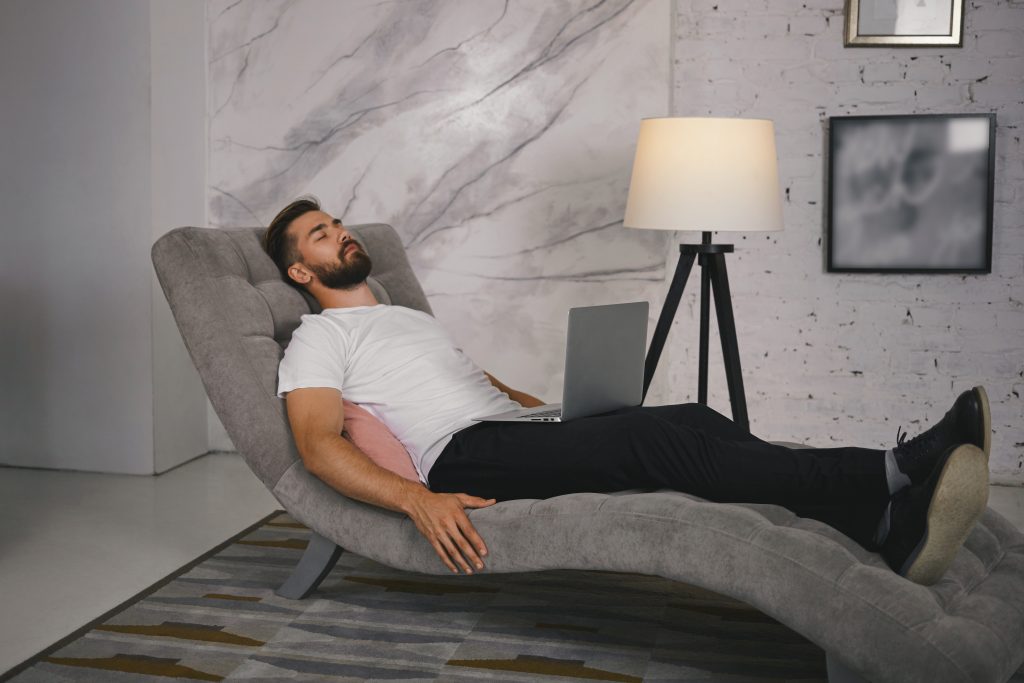
The transition from the high-alert state of daytime productivity to the restorative stillness of sleep is rarely instantaneous. For many, the gap between turning off the lights and falling asleep is filled with racing thoughts, physical tension, and the lingering glow of digital screens. This period, often dismissed as mere downtime, is actually a critical physiological bridge. The habits cultivated in the hours before bed do not merely influence how quickly one falls asleep; they dictate the quality of sleep cycles, the efficiency of cellular repair, and the hormonal balance required for long-term health. Understanding the mechanics of this transition allows individuals to move beyond generic advice like “sleep more” and instead construct a deliberate, science-backed night routine that optimizes the body’s natural inclination toward rest.
The Circadian Anchor: Timing and Light Exposure
The foundation of any effective night routine begins long before the actual ritual of brushing teeth or reading a book. It starts with the management of light, the primary zeitgeber (time-giver) for the human circadian rhythm. The suprachiasmatic nucleus in the hypothalamus relies on light signals to regulate the production of melatonin, the hormone responsible for inducing sleepiness. In the modern environment, where artificial lighting mimics the intensity and spectrum of daylight well into the evening, this biological signal is frequently disrupted. Research indicates that exposure to blue-enriched light in the evening can suppress melatonin secretion for significantly longer periods than previously understood, delaying sleep onset and reducing the duration of deep, restorative sleep stages.
To counteract this, the strategic dimming of lights is a non-negotiable component of a health-focused evening. Approximately two to three hours before the intended bedtime, ambient lighting should be reduced to low levels, ideally utilizing warm-spectrum bulbs (under 3000 Kelvin) that lack the blue wavelengths found in standard LEDs and sunlight. This practice signals to the brain that the day is concluding, initiating the cascade of neurochemical changes necessary for sleep. Many experts recommend replacing overhead lighting with floor lamps or task lighting during this window. Furthermore, the use of blue light blocking glasses has gained traction as a practical intervention for those who cannot avoid screens or bright environments in the evening. While not a substitute for dimming lights, these filters can mitigate the spectral impact of necessary artificial light, helping to preserve the natural rise of melatonin.
The timing of the routine is equally critical. Consistency reinforces the circadian clock. Going to bed and waking up at the same time every day, even on weekends, stabilizes the internal clock, making the transition to sleep smoother and more predictable. Irregular sleep schedules act similarly to jet lag, constantly forcing the body to re-adjust its hormonal release patterns. The National Institute of Neurological Disorders and Stroke emphasizes that regularity is often more impactful than the total number of hours slept, as it ensures the body enters the correct sleep stages at the optimal times. By anchoring the evening routine to a consistent clock time, the body begins to anticipate rest, lowering core body temperature and heart rate in preparation for the night ahead.
Nutritional Considerations and Hydration Protocols
What enters the body in the evening plays a profound role in the architecture of sleep. The digestive system does not shut down when the lights go out; however, its efficiency decreases, and the metabolic processes required for digestion can interfere with the body’s ability to enter deep sleep if activated too late. Eating a heavy meal immediately before bed forces the body to prioritize digestion over restoration, often leading to fragmented sleep, acid reflux, and elevated core body temperature, which is counterproductive to sleep initiation. Conversely, going to bed hungry can trigger the release of cortisol and adrenaline, stress hormones that promote alertness and prevent sleep onset. The goal is a state of metabolic neutrality.
A balanced approach involves finishing the last substantial meal at least three hours before bedtime. This window allows for significant gastric emptying and a return to baseline insulin levels. If hunger strikes closer to bedtime, a small, specific type of snack may be beneficial. Foods containing tryptophan, an amino acid precursor to serotonin and melatonin, combined with complex carbohydrates, can facilitate sleep. Examples include a small portion of tart cherries, kiwi, or a handful of almonds. Studies highlighted by the American Academy of Sleep Medicine suggest that certain nutrients, such as magnesium and glycine, found in these foods, may support muscle relaxation and lower core body temperature. The key is moderation; the snack should be small enough to prevent digestive distress but sufficient to quell hunger pangs that could cause wakefulness.
Hydration requires a similar strategic balance. While dehydration can lead to dry mouth and disrupted sleep, excessive fluid intake right before bed guarantees nocturia (waking up to urinate), which fragments sleep continuity and reduces the time spent in restorative stages. The strategy involves front-loading hydration earlier in the day and tapering fluid intake two hours before sleep. This allows the kidneys to process excess fluids before the sleep cycle begins. For those who find a warm beverage soothing, caffeine-free herbal teas such as chamomile or valerian root are excellent choices. Chamomile, in particular, contains apigenin, an antioxidant that binds to certain receptors in the brain that may decrease anxiety and initiate sleep. However, the volume should be limited to a small cup to avoid disrupting the night. The Mayo Clinic also notes the importance of strictly avoiding caffeine after mid-afternoon, as its half-life can extend up to six hours, meaning a significant portion of the stimulant remains active in the system at bedtime.
The Digital Detox and Cognitive Wind-Down
Perhaps the most challenging yet impactful element of a modern night routine is the disconnection from digital stimuli. The smartphone, tablet, and computer are not just sources of blue light; they are engines of cognitive arousal. Scrolling through social media, answering emails, or consuming news triggers the brain’s reward pathways and stress responses. The influx of information keeps the prefrontal cortex active, preventing the mental deceleration required for sleep. This state of “hyperarousal” is a leading cause of insomnia, where the body is tired, but the mind remains in a state of high alert. Creating a buffer zone free from screens is essential for allowing the nervous system to shift from a sympathetic (fight or flight) state to a parasympathetic (rest and digest) state.
Establishing a “digital curfew” one hour before bed is a widely recommended practice. During this hour, all screens should be turned off or placed in another room. This physical separation removes the temptation to check notifications and breaks the psychological association between the bedroom and digital engagement. Instead, this time can be dedicated to low-stimulation activities that signal safety and rest to the brain. Reading a physical book, engaging in light stretching, or practicing mindfulness meditation are superior alternatives. The act of reading paper pages, for instance, requires a singular focus that can distract from daily worries without the stimulating feedback loops of digital interfaces. The Harvard Medical School Division of Sleep Medicine provides extensive data on how screen exposure delays melatonin release and reduces REM sleep, reinforcing the necessity of this disconnect.
For those who struggle with a racing mind, the concept of a “brain dump” can be highly effective. This involves writing down tasks, worries, or ideas for the next day in a journal. By externalizing these thoughts onto paper, the brain is signaled that the information is safe and does not need to be actively rehearsed or remembered during the night. This technique reduces cognitive load and prevents the loop of repetitive thinking that often delays sleep onset. Furthermore, engaging in gratitude journaling—listing three positive events from the day—can shift the emotional tone from anxiety to contentment, lowering physiological stress markers. The objective is to create a mental environment conducive to letting go, rather than holding on. This cognitive wind-down is as critical as the physical environment in preparing the body for rest.
Optimizing the Sleep Sanctuary
The physical environment in which sleep occurs acts as the container for the entire restorative process. Even with perfect habits leading up to bedtime, a suboptimal sleep environment can undermine efforts. The bedroom should be designed exclusively for sleep and intimacy, reinforcing the psychological association between the space and rest. Clutter, work materials, and exercise equipment should be removed or concealed, as visual reminders of daily responsibilities can trigger stress responses. The goal is to create a sanctuary that feels distinct from the rest of the living space, signaling to the brain that entry into this room means entry into a state of recovery.
Temperature regulation is one of the most scientifically supported factors in sleep quality. The body’s core temperature naturally drops by a few degrees during the onset of sleep, a process that facilitates the transition into deeper sleep stages. An environment that is too warm inhibits this natural cooling, leading to restlessness and frequent awakenings. The ideal bedroom temperature is generally considered to be between 60 and 67 degrees Fahrenheit (15.5 to 19.5 degrees Celsius). Using breathable bedding materials, such as cotton or bamboo, and maintaining good air circulation can assist in thermoregulation. The Sleep Foundation highlights that cooler temperatures not only aid in falling asleep faster but also support the maintenance of slow-wave sleep, which is crucial for physical repair and immune function.
Light and noise control are the other pillars of the sleep sanctuary. Total darkness is ideal for maximizing melatonin production. Blackout curtains or high-quality sleep masks can eliminate streetlights or early morning sun that might disrupt sleep cycles. Even small amounts of light from electronic devices, such as standby lights on televisions or chargers, should be covered or removed. Regarding sound, while total silence is preferred by some, many find that consistent, low-level background noise helps mask disruptive environmental sounds. White noise machines, fans, or apps playing nature sounds can create a consistent auditory blanket that prevents sudden noises from triggering arousal responses. The key is consistency; the brain learns to ignore constant, predictable sounds while remaining alert to irregular changes. Investing in these environmental adjustments yields compounding returns on sleep quality over time.
Physical Relaxation and Somatic Practices
The physical body often carries the tension of the day in the form of tight muscles, shallow breathing, and restricted movement. A night routine must include specific practices to release this somatic stress, facilitating the physical transition into sleep. Gentle movement is far more beneficial than vigorous exercise in the evening. While intense workouts elevate heart rate and core body temperature, making sleep difficult, gentle stretching or yoga poses focused on relaxation can activate the parasympathetic nervous system. Poses such as “legs up the wall,” child’s pose, or gentle spinal twists help release tension in the back and hips, areas where stress is commonly stored.
Breathwork is another powerful tool for immediate physiological regulation. Techniques such as the 4-7-8 breathing method or box breathing stimulate the vagus nerve, which runs from the brainstem to the abdomen and controls the parasympathetic response. By consciously slowing the exhale to be longer than the inhale, the heart rate decreases, and blood pressure lowers, creating a physical state of calm. This is not merely a psychological trick but a biological mechanism that overrides the stress response. Incorporating five to ten minutes of intentional breathing before getting into bed can significantly reduce the time it takes to fall asleep. The Cleveland Clinic recognizes breath control and relaxation techniques as first-line behavioral treatments for insomnia, citing their efficacy in reducing sleep latency.
Progressive Muscle Relaxation (PMR) is a systematic technique that involves tensing and then relaxing specific muscle groups throughout the body. Starting from the toes and moving up to the head, this practice increases awareness of physical tension and teaches the body the sensation of release. For individuals who suffer from restless legs or general physical agitation, PMR can be particularly effective. It shifts focus away from mental worries to physical sensations, grounding the individual in the present moment. When combined with a warm bath or shower taken 90 minutes before bed, the effects are amplified. The warm water raises body temperature slightly, and the subsequent cooling period upon exiting the bath mimics the natural drop in core temperature that signals sleep, acting as a powerful biological cue.
| Habit Category | Ineffective Approach | Optimized Approach | Physiological Impact |
|---|---|---|---|
| Light Exposure | Bright overhead lights until bedtime; scrolling on phone in bed. | Dim warm lights 2 hours prior; no screens 1 hour prior. | Preserves melatonin secretion; aligns circadian rhythm. |
| Nutrition | Heavy meals <1 hour before bed; caffeine after 2 PM. | Last meal 3 hours prior; small tryptophan-rich snack if needed. | Prevents digestive interference; stabilizes blood sugar. |
| Environment | Room temperature >70°F; ambient street light; irregular noise. | Temp 60-67°F; blackout conditions; white noise consistency. | Facilitates core temp drop; prevents micro-arousals. |
| Mental State | Checking email/news; worrying about tomorrow’s tasks. | Journaling “brain dump”; reading physical books; meditation. | Lowers cortisol; reduces cognitive arousal; promotes theta waves. |
| Physical State | Sedentary until bed; tense muscles; shallow breathing. | Gentle stretching; progressive muscle relaxation; breathwork. | Activates parasympathetic nervous system; releases somatic tension. |
The Role of Consistency and Long-Term Adaptation
Building a night routine is not a one-time event but a process of conditioning. The human body thrives on predictability. When a sequence of actions is repeated nightly, it becomes a conditioned stimulus. Eventually, the mere act of dimming the lights or brushing teeth can trigger a physiological relaxation response before the conscious mind even registers the intent to sleep. This phenomenon, known as sleep conditioning, is central to Cognitive Behavioral Therapy for Insomnia (CBT-I), the gold standard for treating chronic sleep issues. However, achieving this level of automaticity requires unwavering consistency. Skipping steps or varying the routine significantly on weekends can weaken the association, requiring the body to relearn the cues.
It is important to acknowledge that the benefits of a structured night routine accumulate over time. Immediate results may be subtle, perhaps just falling asleep ten minutes faster or feeling slightly less groggy in the morning. However, over weeks and months, the cumulative effect on health is profound. Consistent, high-quality sleep improves insulin sensitivity, supports cardiovascular health, enhances immune function, and aids in emotional regulation. The Centers for Disease Control and Prevention (CDC) outlines sleep hygiene as a critical public health measure, noting that chronic sleep deprivation is linked to serious health conditions including obesity, diabetes, and hypertension. Therefore, the night routine is not merely a lifestyle preference but a foundational pillar of preventative medicine.
Adaptation is also key. Not every technique will resonate with every individual immediately. Some may find meditation frustrating, while others find it essential. Some may prefer a cool room, while others need a specific type of bedding to feel comfortable. The objective is to experiment within the framework of scientific principles to find the specific combination of habits that works best for an individual’s physiology and lifestyle. Tracking sleep patterns and subjective feelings of restfulness can help refine the routine. The goal is not perfection but progress toward a sustainable pattern that supports overall well-being.
Frequently Asked Questions
How long does it take for a new night routine to improve sleep quality?
While some individuals may notice immediate improvements in sleep onset within a few days, significant changes in sleep architecture and daytime energy levels typically require two to four weeks of consistent practice. The circadian rhythm needs time to adjust to new cues, and the psychological association between the routine and sleep must be reinforced through repetition. Patience and consistency are vital during this adaptation phase.
Is it better to exercise in the evening or morning for sleep?
Morning or afternoon exercise is generally superior for sleep quality as it helps anchor the circadian rhythm and allows ample time for the body to cool down and heart rates to normalize before bed. However, if evening is the only available time, low-to-moderate intensity exercise finished at least two hours before bedtime can still be beneficial. High-intensity interval training (HIIT) or heavy lifting should be avoided within three hours of sleep to prevent elevated cortisol and core body temperature from interfering with rest.
What should I do if I wake up in the middle of the night?
If awakening occurs and sleep does not return within 20 minutes, it is advisable to leave the bedroom and engage in a quiet, non-stimulating activity in dim light, such as reading a dull book or listening to soft music. Avoid looking at clocks or phones, as checking the time can increase anxiety about lost sleep. Returning to bed only when sleepy helps maintain the association between the bed and sleep, rather than the bed and wakefulness.
Are supplements like melatonin recommended for a night routine?
Melatonin supplements can be useful for specific situations, such as jet lag or shift work disorder, but they are not intended as a long-term solution for general insomnia. The body produces its own melatonin, and reliance on exogenous sources can sometimes disrupt natural production or lead to tolerance. It is always preferable to optimize light exposure and routine habits first. Consultation with a healthcare provider is recommended before starting any supplement regimen.
Does the type of mattress or pillow really matter for sleep health?
Yes, the support provided by a mattress and pillow directly affects spinal alignment and comfort, which are critical for uninterrupted sleep. A mattress that is too soft or too firm can cause pressure points and misalignment, leading to tossing and turning. Pillows should keep the neck neutral relative to the spine. While personal preference plays a role, investing in high-quality sleep surfaces that suit one’s sleeping position (side, back, or stomach) is a tangible investment in long-term musculoskeletal health and sleep continuity.
Can drinking alcohol help me fall asleep faster?
While alcohol acts as a sedative and may help induce sleep onset initially, it severely degrades sleep quality later in the night. As the body metabolizes alcohol, it causes sleep fragmentation, suppresses REM sleep, and can exacerbate breathing issues like sleep apnea. The result is often a feeling of unrefreshing sleep despite a full night in bed. For optimal health and restorative sleep, avoiding alcohol within three to four hours of bedtime is strongly recommended.
Conclusion
The pursuit of better sleep and overall health is not found in a single magic bullet but in the deliberate accumulation of small, consistent actions performed each evening. A well-constructed night routine serves as a protective barrier against the stresses of modern life, allowing the body and mind to access the deep restoration they crave. By managing light exposure, optimizing nutrition, curating the sleep environment, and engaging in somatic relaxation, individuals can reclaim control over their rest. This approach moves beyond the superficial and addresses the root physiological mechanisms that govern sleep.
The journey toward improved sleep is a commitment to self-care that yields dividends in every aspect of life. Enhanced cognitive function, stable mood, robust immunity, and long-term disease prevention are the natural outcomes of prioritizing rest. It requires a shift in perspective, viewing the evening not as the end of the day to be squeezed for productivity, but as the beginning of the recovery process that fuels the next day. By adhering to these evidence-based principles and tailoring them to individual needs, anyone can transform their nights into a foundation for enduring health. The path to vitality is paved with the quiet, consistent rituals of the night.