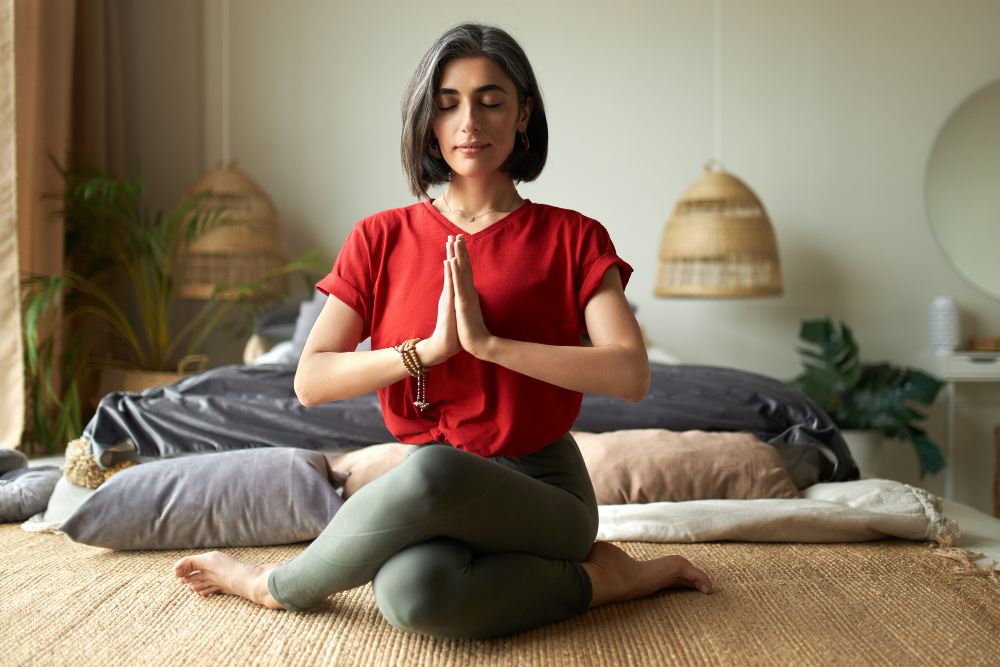
In an era defined by constant connectivity and information overload, the concept of mental wellness has shifted from a luxury to a necessity. The modern landscape is often characterized by fragmented attention spans, elevated stress levels, and a pervasive sense of urgency that can feel impossible to escape. Amidst this chaos, meditation has emerged not as a mystical practice reserved for monks in remote monasteries, but as a practical, evidence-based tool for cultivating mental resilience. For beginners, the prospect of starting a meditation practice can seem daunting, often shrouded in misconceptions about needing to “clear the mind” completely or sit in perfect silence for hours. However, the reality is far more accessible. Simple meditation techniques are designed to meet individuals exactly where they are, offering a structured pathway to reduce anxiety, improve focus, and enhance overall emotional regulation without requiring special equipment or extensive time commitments.
The foundation of effective meditation lies in understanding that it is a skill, much like learning a musical instrument or a new language, rather than an innate talent. Research from institutions like the National Center for Complementary and Integrative Health consistently highlights that regular practice can lead to measurable changes in brain structure and function, particularly in areas associated with memory, empathy, and stress regulation. For the novice, the goal is not to achieve a state of perpetual bliss but to develop a reliable method for returning to the present moment. This shift in perspective removes the pressure of performance and replaces it with the curiosity of exploration. By focusing on simple, repeatable techniques, beginners can build a sustainable habit that integrates seamlessly into daily life, providing a stable anchor during turbulent times.
Understanding the Mechanics of Mindfulness
To effectively engage with meditation, it is helpful to first understand the mechanism behind mindfulness. At its core, mindfulness is the psychological process of bringing one’s attention to experiences occurring in the present moment without judgment. This definition, widely accepted in clinical psychology and popularized by experts like Jon Kabat-Zinn at the University of Massachusetts Medical School, emphasizes observation over reaction. When the mind wanders to a worry about the future or a regret about the past, the practice involves gently acknowledging the distraction and returning focus to a chosen anchor, such as the breath or bodily sensations. This repetitive action strengthens the neural pathways associated with attention control, effectively training the brain to become less reactive to stressors.
The science supporting these claims is robust. Neuroimaging studies have shown that consistent mindfulness practice can decrease the density of the amygdala, the brain’s fear center, while increasing the thickness of the prefrontal cortex, which governs higher-order thinking and emotional regulation. These structural changes correlate with reported decreases in anxiety and improvements in cognitive flexibility. For a beginner, understanding that meditation is a form of mental training rather than a passive activity can be empowering. It shifts the narrative from “trying to relax” to “actively strengthening mental muscles.” This distinction is crucial because it normalizes the experience of a wandering mind. The act of noticing that the mind has wandered and choosing to return to the breath is not a failure; it is the fundamental repetition that drives the benefit, a concept supported by extensive research published in journals like those found via the American Psychological Association.
Furthermore, mindfulness is not about suppressing thoughts or emotions. Instead, it cultivates a different relationship with them. By observing thoughts as transient mental events rather than absolute truths, individuals can create a space between stimulus and response. This space allows for more deliberate choices in how to react to life’s challenges. For instance, feeling a surge of anger during a difficult conversation no longer necessitates an immediate, reactive outburst. Through the lens of mindfulness, the anger is recognized as a physiological and psychological event that will pass, allowing the individual to respond with greater clarity and composure. This objective stance is the bedrock of mental wellness and is accessible to anyone willing to practice the basics.
The Breath: The Most Accessible Anchor
Among the various objects of meditation, the breath stands out as the most universal and accessible anchor. It is always available, requires no equipment, and serves as a direct bridge between the conscious and unconscious nervous systems. Focusing on the breath activates the parasympathetic nervous system, which counteracts the “fight or flight” response triggered by stress. This physiological shift is immediate and tangible, making breath-focused meditation an ideal starting point for beginners seeking quick relief from acute anxiety or tension. The technique is deceptively simple: sit comfortably, close the eyes or soften the gaze, and bring attention to the sensation of air moving in and out of the nostrils or the rise and fall of the chest and abdomen.
When practicing breath awareness, the instruction is to observe the natural rhythm of breathing without attempting to change it. Often, beginners feel compelled to control their breath, taking deeper or slower inhales and exhales in an effort to “meditate correctly.” However, the goal is observation, not manipulation. If the breath is shallow, one simply notes, “the breath is shallow.” If it is deep, one notes, “the breath is deep.” This non-judgmental observation fosters a sense of acceptance that extends beyond the meditation session into daily life. Resources from the Mayo Clinic emphasize that this form of focused attention can lower blood pressure, reduce symptoms of anxiety, and improve sleep quality, providing a strong medical rationale for the practice.
A common challenge in breath meditation is maintaining focus. The mind will inevitably drift to planning dinner, replaying a conversation, or worrying about an upcoming deadline. The standard protocol for handling this is to acknowledge the distraction with a neutral label, such as “thinking” or “planning,” and then gently guide the attention back to the breath. This process may happen dozens of times in a single five-minute session, and each return is a success. It is important to approach this with patience rather than frustration. The consistency of returning to the breath builds the cognitive muscle of attention. Over time, practitioners often find that the gaps between distractions lengthen, and the ability to remain present becomes more effortless. This progression is a natural part of the learning curve and is documented in numerous studies on attentional training available through platforms like Harvard Health Publishing.
Body Scan Meditation for Grounding and Relaxation
While breath awareness focuses on a single point of attention, body scan meditation expands the field of awareness to include the entire physical self. This technique involves systematically moving attention through different parts of the body, from the toes to the head, noting any sensations present without trying to change them. Body scanning is particularly effective for individuals who carry stress physically, manifesting as tight shoulders, a clenched jaw, or a knot in the stomach. By directing focused attention to these areas, practitioners can often release held tension and cultivate a deeper sense of grounding. The practice encourages a reconnection with the body, which is often neglected in favor of mental activity in modern life.
The procedure for a body scan is straightforward. Lying down or sitting comfortably, the individual brings attention to the sensations in the feet. Are they warm, cold, tingling, or numb? Is there contact with the floor or shoes? After observing the feet for a few moments, the attention moves slowly up to the ankles, calves, knees, and so on, progressing through every major section of the body. The key is to maintain a curious and open attitude toward whatever is felt. If no sensation is detected in a particular area, that absence of sensation is noted just as validly as pain or tension. This practice helps to dismantle the habit of ignoring bodily signals until they become urgent problems. The Cleveland Clinic notes that body scan meditations can be particularly beneficial for managing chronic pain and improving sleep hygiene by promoting deep physical relaxation.
One of the profound benefits of the body scan is its ability to interrupt the cycle of rumination. When the mind is fully occupied with mapping the sensations of the body, it has less bandwidth to generate anxious narratives about the future or the past. This makes the body scan an excellent technique for those who find silent sitting too difficult because their thoughts are too loud. By giving the mind a specific, concrete task—tracking physical sensations—the practice provides a constructive focus that crowds out distracting thoughts. Furthermore, the systematic nature of the scan provides a clear structure that can be comforting for beginners who feel lost in unstructured silence. Regular practice can lead to heightened interoceptive awareness, the ability to perceive internal bodily states, which is linked to better emotional regulation and decision-making.
Walking Meditation: Mindfulness in Motion
For many beginners, the idea of sitting still for even five minutes feels impractical or uncomfortable. Restlessness, physical pain, or a high level of mental agitation can make seated meditation feel like a struggle. Walking meditation offers a dynamic alternative that harnesses the energy of movement to cultivate mindfulness. This practice involves walking slowly and deliberately, paying close attention to the physical sensations of lifting, moving, and placing each foot. It transforms a mundane activity into a profound exercise in presence, demonstrating that meditation is not confined to a cushion or a quiet room but can be integrated into motion. This approach aligns with the teachings found in resources from the Mindful.org community, which advocates for bringing awareness to everyday activities.
The technique requires finding a path, either indoors or outdoors, where one can walk uninterrupted for a short distance. The pace should be slower than normal walking, allowing for a detailed observation of the mechanics of movement. As the foot lifts, the practitioner notes the sensation of muscles engaging and the weight shifting. As the foot moves forward, attention follows the trajectory through the air. As the foot lands, the sensation of contact with the ground is observed. If the mind wanders, the anchor is the sensation of the feet touching the earth. This rhythmic focus can be incredibly grounding, especially for those who feel “stuck in their heads.” The physical movement helps to discharge excess nervous energy, making it easier to settle into a state of calm alertness.
Walking meditation also bridges the gap between formal practice and daily life. It demonstrates that mindfulness can be applied while commuting, moving between meetings, or taking a break during the workday. By practicing awareness while in motion, individuals learn to maintain their center of gravity amidst the flow of activity. This is particularly valuable in high-pressure environments where stopping to sit is not an option. The ability to take three mindful steps down a hallway can serve as a reset button for the nervous system. Studies suggest that combining physical movement with mindfulness can enhance mood and cognitive function more effectively than either activity alone, a synergy that makes walking meditation a powerful tool for holistic wellness.
Comparative Overview of Beginner Techniques
To assist beginners in selecting the most appropriate starting point, the following table outlines the key characteristics, benefits, and ideal use-cases for the primary meditation techniques discussed. Understanding these distinctions can help individuals tailor their practice to their specific needs and circumstances.
| Technique | Primary Focus | Ideal For | Key Benefit | Recommended Duration |
|---|---|---|---|---|
| Breath Awareness | Sensation of breathing | High anxiety, need for quick calm, limited time | Activates parasympathetic nervous system; highly portable | 5–10 minutes |
| Body Scan | Physical sensations throughout the body | Chronic tension, insomnia, disconnection from body | Deep physical relaxation; improves interoceptive awareness | 10–20 minutes |
| Walking Meditation | Movement of feet and legs | Restlessness, difficulty sitting still, low energy | Combines physical movement with mental focus; grounding | 10–15 minutes |
| Loving-Kindness | Feelings of goodwill toward self/others | Self-criticism, interpersonal conflict, isolation | Enhances empathy; reduces negative self-talk | 10–15 minutes |
| Mantra Repetition | Sound or phrase repetition | Racing thoughts, need for strong focal point | Occupies the verbal mind; creates rhythmic stability | 5–10 minutes |
This comparison illustrates that there is no single “correct” way to meditate. The effectiveness of a technique depends largely on the individual’s current state and goals. Someone struggling with insomnia might find the body scan most beneficial before bed, while a person feeling overwhelmed during a busy workday might prefer a brief session of breath awareness or a mindful walk. Experimentation is encouraged to discover which method resonates most deeply. The consistency of practice is far more important than the specific technique chosen. Whether one chooses to focus on the breath, the body, or movement, the underlying mechanism of returning attention to the present moment remains the same, driving the long-term benefits of mental wellness.
Overcoming Common Obstacles and Myths
Despite the simplicity of these techniques, beginners often encounter obstacles that can hinder progress or lead to abandonment of the practice. One of the most prevalent myths is the belief that meditation requires the complete cessation of thought. This misconception leads many to conclude prematurely that they are “bad at meditation” because their minds do not go silent. In reality, the nature of the human mind is to think, just as the nature of the heart is to beat. The goal of meditation is not to stop thoughts but to change one’s relationship with them. When thoughts arise, the practice is to notice them without getting swept away by their content and to gently return to the anchor. This reframing is essential for sustaining a long-term practice and is a core tenet taught by organizations like the Tara Brach center, which emphasizes radical acceptance of the present experience.
Another common barrier is the expectation of immediate results. While some individuals may feel a sense of calm after a single session, the profound structural and psychological benefits of meditation accumulate over time. It is a cumulative practice, similar to physical exercise, where consistency yields results rather than intensity. Skipping days or expecting instant transformation can lead to frustration. Establishing a realistic routine, such as meditating for five minutes every morning, is more effective than attempting hour-long sessions sporadically. Building the habit is the primary challenge, not the depth of the experience in the early stages. Expert guidance suggests attaching the practice to an existing habit, known as “habit stacking,” to increase adherence. For example, meditating immediately after brushing teeth or before drinking morning coffee can anchor the new behavior to an established routine.
Physical discomfort is also a frequent concern. Many beginners believe they must sit in a lotus position on the floor to meditate properly. This is not the case. Comfort is paramount; if the body is in pain, the mind will be distracted. Sitting in a chair with feet flat on the floor, lying down, or even standing are all valid postures. The spine should be relatively straight to facilitate alertness, but rigid perfection is unnecessary. Adjusting the environment to support comfort—using cushions, blankets, or a supportive chair—removes a significant barrier to entry. The focus should remain on the mental process of observation, not the aesthetic of the posture. Flexibility in approach ensures that the practice remains accessible regardless of physical limitations or environmental constraints.
Integrating Meditation into Daily Life
The ultimate goal of meditation is not to create a sanctuary of peace that exists only during the practice session, but to infuse that sense of presence into every aspect of daily life. This integration transforms meditation from a separate activity into a way of being. Simple strategies can facilitate this transition. One effective method is to utilize “trigger moments” throughout the day as reminders to return to the present. A ringing phone, a red traffic light, or waiting for a computer to load can serve as cues to take three conscious breaths. These micro-moments of mindfulness accumulate, creating a baseline of calm that persists even during stressful situations. This approach democratizes the practice, making it available to everyone regardless of their schedule.
Another strategy is to apply mindful awareness to routine tasks. Washing dishes, folding laundry, or showering can become opportunities for practice by focusing entirely on the sensory details of the activity—the temperature of the water, the texture of the fabric, the scent of the soap. When the mind wanders to the day’s agenda, gently bringing it back to the task at hand reinforces the neural pathways of attention. This turns mundane chores into restorative practices rather than burdens. The Greater Good Science Center at UC Berkeley highlights that such informal practices are just as valuable as formal sitting meditation in cultivating a mindful lifestyle. They help to break the autopilot mode that characterizes much of modern existence, allowing for a richer, more engaged experience of life.
Consistency is the engine of transformation. While the duration of each session can vary, maintaining a daily commitment is crucial for rewiring the brain. Even two minutes of intentional breathing every day is more beneficial than thirty minutes once a week. The regularity signals to the nervous system that safety and presence are priorities. Over weeks and months, practitioners often report a shift in their baseline reactivity. Situations that previously triggered immediate stress or anger may elicit a more measured response. This does not mean that negative emotions disappear, but rather that the capacity to navigate them with wisdom and compassion increases. The practice builds a reservoir of resilience that can be drawn upon when life presents inevitable challenges.
Frequently Asked Questions
How long should a beginner meditate each day?
For beginners, starting with short sessions of 5 to 10 minutes is highly recommended. This duration is manageable and helps in building a consistent habit without feeling overwhelming. As comfort and familiarity with the practice grow, the duration can be gradually increased. Consistency is more critical than length; a daily five-minute practice is more effective than an irregular hour-long session.
Is it normal to feel more anxious when I start meditating?
Yes, it is quite common. When one sits quietly, the usual distractions of daily life fade, and suppressed thoughts or emotions may surface. This can initially feel like an increase in anxiety. However, this is often a sign that the practice is working, as it brings awareness to underlying tensions. With continued practice, the ability to observe these feelings without reacting to them strengthens, leading to a reduction in overall anxiety levels.
Do I need to join a class or have a teacher?
While classes and teachers can provide valuable guidance and community support, they are not strictly necessary for beginning a simple meditation practice. There are numerous high-quality, free resources available online, including guided meditations from reputable health organizations and universities. Self-guided practice using the techniques described above is entirely sufficient for establishing a foundational routine.
What is the best time of day to meditate?
The best time is whenever one can consistently commit to the practice. Many people prefer mornings to set a calm tone for the day, while others find evenings helpful for unwinding. Some may benefit from a midday session to reset during work. Experimenting with different times can help identify what fits best into an individual’s schedule and yields the most noticeable benefits.
Can meditation replace therapy or medication for mental health issues?
Meditation is a powerful complementary tool for mental wellness but should not be viewed as a replacement for professional therapy or prescribed medication, especially for serious mental health conditions. It works best as part of a holistic approach to health. Individuals with severe anxiety, depression, or trauma should consult with healthcare providers to determine the best course of treatment, which may include meditation alongside other therapies.
What should I do if I fall asleep during meditation?
Falling asleep is a common occurrence, especially when practicing relaxation techniques like the body scan or meditating while lying down. If this happens frequently, try switching to a seated position or practicing at a time of day when you are more alert, such as the morning. If fatigue is the cause, it may indicate a need for more rest. Gentle acknowledgment of the sleepiness and returning to the practice without self-judgment is the recommended approach.
Conclusion
The journey into meditation is a personal exploration of the mind’s capacity for stillness and clarity. For beginners, the path is paved with simple, accessible techniques that require nothing more than a willingness to pay attention. Whether through the rhythmic anchor of the breath, the grounding sweep of a body scan, or the mindful cadence of walking, these practices offer a refuge from the relentless pace of modern life. The benefits extend far beyond the moments of practice, fostering a resilient mindset capable of navigating stress with grace and equanimity. By demystifying the process and focusing on consistent, small steps, anyone can cultivate a practice that supports lasting mental wellness.
The evidence is clear: meditation is not a mystical escape but a practical discipline grounded in science and human experience. It offers a way to reclaim agency over one’s attention and emotional responses. As the practice deepens, the distinction between the meditator and the meditation begins to blur, and mindfulness becomes an intrinsic part of how one engages with the world. The invitation is open to begin today, not with grand expectations, but with a single conscious breath. In that simple act lies the potential for profound transformation, offering a steady compass in an ever-changing world.