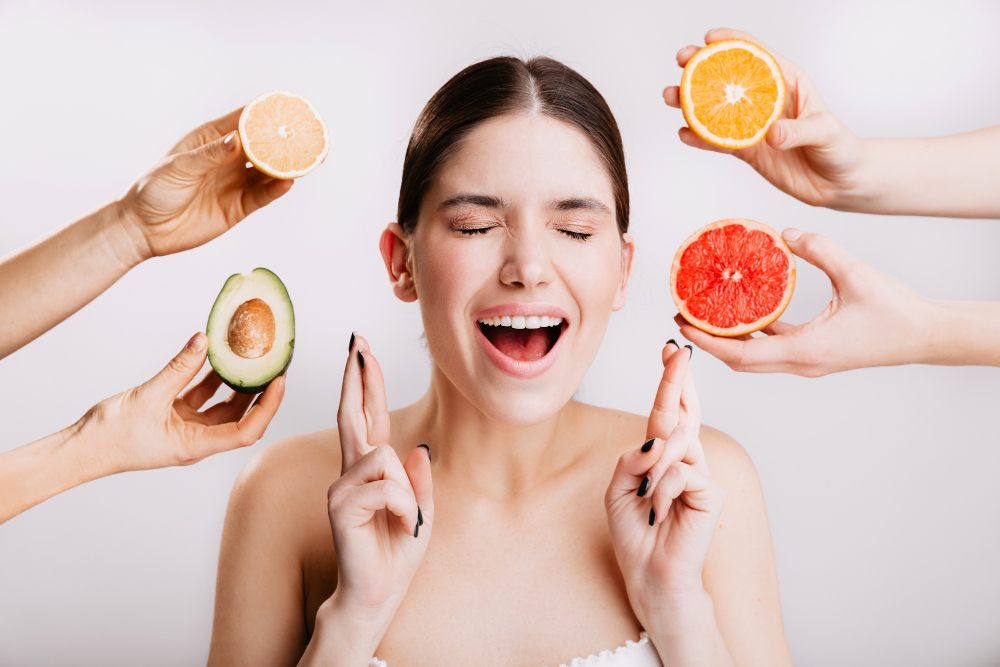
The pursuit of longevity often conjures images of expensive serums, high-tech medical procedures, or exclusive wellness retreats. While topical treatments and medical interventions have their place, the most profound driver of cellular health and physical resilience is found on the dinner plate. Aging is a biological inevitability, but the rate at which visible signs appear and physiological function declines is heavily influenced by nutritional choices. The connection between what is consumed daily and the structural integrity of the skin, muscles, bones, and organs is direct and scientifically documented. By prioritizing specific nutrient-dense foods, it is possible to mitigate oxidative stress, reduce chronic inflammation, and support the body’s natural repair mechanisms. This approach does not rely on fleeting trends but rather on established biochemical principles that govern human physiology.
The Biological Mechanisms of Aging and Nutrition
To understand how food influences aging, one must first grasp the underlying biological processes. Two primary drivers of aging are oxidative stress and chronic low-grade inflammation, often termed “inflammaging.” Oxidative stress occurs when there is an imbalance between free radicals—unstable molecules that damage cells—and antioxidants, which neutralize them. Over time, this damage accumulates in DNA, proteins, and lipids, leading to cellular dysfunction. Simultaneously, chronic inflammation silently erodes tissue health, contributing to wrinkles, loss of muscle mass, and weakened immune function. Nutrition acts as the primary modulator of these processes. Specific compounds found in whole foods can upregulate the body’s defense systems, effectively slowing the degradation of tissues. Research from institutions like the National Institute on Aging consistently highlights that dietary patterns rich in phytonutrients are associated with delayed onset of age-related diseases and preserved physical function.
The skin, being the largest organ, often serves as the first visible indicator of internal health. Its elasticity and hydration depend on collagen and elastin, proteins that degrade naturally with age but are accelerated by poor diet and environmental toxins. Conversely, the musculoskeletal system requires a steady supply of amino acids and micronutrients to maintain density and strength. A diet lacking in these essentials accelerates sarcopenia (muscle loss) and osteoporosis. Therefore, an anti-aging diet is not merely about calorie restriction; it is about maximizing nutrient density to fuel repair pathways. The Harvard T.H. Chan School of Public Health emphasizes that long-term adherence to diets high in plant-based foods and healthy fats correlates with longer telomeres, the protective caps on chromosomes that shorten with age.
Powerhouse Antioxidants: Berries and Leafy Greens
When discussing foods that combat oxidative stress, berries stand out as unparalleled champions. Varieties such as blueberries, strawberries, raspberries, and blackberries are densely packed with anthocyanins, flavonoids, and vitamin C. These compounds do more than just provide color; they actively scavenge free radicals and reduce inflammatory markers in the bloodstream. Studies indicate that regular consumption of blueberries can improve memory and delay brain aging, while also protecting skin cells from UV-induced damage. The synergy of nutrients in whole berries is far superior to isolated supplements, as the fiber and phytochemical matrix enhance absorption and efficacy. For those seeking to maintain cognitive sharpness and skin radiance, incorporating a cup of mixed berries into the daily routine is a scientifically sound strategy supported by data from the USDA Agricultural Research Service.
Equally critical are dark leafy greens, including spinach, kale, Swiss chard, and collard greens. These vegetables are foundational to any anti-aging protocol due to their high concentrations of lutein, zeaxanthin, vitamin K, and folate. Lutein and zeaxanthin are particularly vital for eye health, filtering harmful blue light and preventing macular degeneration, a common age-related condition. Furthermore, the high nitrate content in leafy greens supports endothelial function, improving blood flow to the skin and muscles, which ensures efficient delivery of oxygen and nutrients. The Centers for Disease Control and Prevention categorizes many of these greens as powerhouse fruits and vegetables due to their high nutrient-to-calorie ratio. Regular inclusion of these greens helps maintain bone density through vitamin K2 activation, directly countering the fragility that often accompanies aging.
Healthy Fats: The Architects of Cellular Integrity
Dietary fat has historically been misunderstood, yet specific types of fats are indispensable for maintaining youthful skin and a robust body. Omega-3 fatty acids, primarily found in fatty fish like salmon, mackerel, sardines, and anchovies, are potent anti-inflammatory agents. These essential fats integrate into cell membranes, enhancing fluidity and communication between cells. In the skin, omega-3s help maintain the lipid barrier, preventing moisture loss and reducing the appearance of fine lines caused by dryness. Internally, they protect against cardiovascular disease and support joint health by lubricating cartilage. The American Heart Association recommends eating fish at least twice a week to reap these cardioprotective and anti-aging benefits. For individuals who do not consume fish, algae-based supplements offer a viable plant-derived source of DHA and EPA.
Beyond marine sources, monounsaturated fats found in extra virgin olive oil, avocados, and nuts play a pivotal role in longevity. Extra virgin olive oil, a cornerstone of the Mediterranean diet, contains oleocanthal, a compound with anti-inflammatory properties similar to ibuprofen. It also provides polyphenols that protect LDL cholesterol from oxidation, a key step in the development of arterial plaque. Avocados contribute biotin and healthy fats that support skin hydration and elasticity. Nuts, particularly walnuts and almonds, offer a combination of healthy fats, protein, and vitamin E, which shields skin cells from oxidative damage. Extensive research published by the Mayo Clinic links the regular consumption of these fats to reduced mortality rates and better preservation of physical function in older adults.
Collagen Support and Protein Synthesis
As the body ages, the natural production of collagen declines, leading to sagging skin and weaker connective tissues. While collagen supplements have gained popularity, the body requires specific building blocks to synthesize its own collagen efficiently. Vitamin C is the essential cofactor in this process; without adequate levels, collagen formation halts. Citrus fruits, bell peppers, kiwi, and broccoli are exceptional sources of bioavailable vitamin C. Bell peppers, especially the red variety, contain higher concentrations of vitamin C per serving than oranges, making them a strategic choice for skin health. The National Institutes of Health outlines the critical role of vitamin C not only in collagen synthesis but also in wound healing and immune defense.
Protein intake is another non-negotiable factor for maintaining a strong body. Sarcopenia, the age-related loss of muscle mass, can be mitigated by ensuring sufficient high-quality protein consumption. Lean meats, poultry, eggs, dairy, legumes, and quinoa provide the essential amino acids necessary for muscle repair and growth. Leucine, an amino acid abundant in whey protein and soy, is particularly effective at stimulating muscle protein synthesis. Distributing protein intake evenly throughout the day, rather than consuming it all in one meal, optimizes the body’s anabolic response. Guidance from the Academy of Nutrition and Dietetics suggests that older adults may require slightly higher protein intakes than younger individuals to counteract anabolic resistance, ensuring muscles remain strong and functional.
The Role of Hydration and Micronutrients
Hydration is often overlooked in discussions about anti-aging, yet water is fundamental to every cellular process. Dehydrated skin appears dull, accentuates wrinkles, and lacks plumpness. Beyond plain water, foods with high water content contribute significantly to hydration status. Cucumbers, celery, watermelon, and zucchini are composed of over 90% water and provide electrolytes that help retain fluid balance. Proper hydration supports kidney function, aids in detoxification, and maintains the volume of interstitial fluids that keep tissues supple. The European Food Safety Authority provides guidelines on total water intake, emphasizing that a significant portion should come from food sources, especially for those with reduced thirst mechanisms as they age.
Micronutrients such as zinc, selenium, and vitamin E act as co-factors for antioxidant enzymes like superoxide dismutase and glutathione peroxidase. Brazil nuts are one of the richest sources of selenium, with just one or two nuts providing the daily requirement. Zinc, found in oysters, pumpkin seeds, and beef, is crucial for DNA repair and immune function. Vitamin E, present in sunflower seeds and almonds, works synergistically with vitamin C to protect cell membranes from lipid peroxidation. Deficiencies in these trace minerals can accelerate aging processes, making a varied diet essential. The World Health Organization highlights that micronutrient malnutrition is a silent driver of morbidity, reinforcing the need for a diverse intake of whole foods to cover the spectrum of nutritional needs.
Comparative Analysis of Anti-Aging Food Groups
To visualize the distinct benefits of various food categories, the following table compares key groups based on their primary anti-aging mechanisms, top examples, and specific physiological impacts. This comparison aids in constructing a balanced meal plan that targets multiple pathways of aging simultaneously.
| Food Group | Primary Active Compounds | Key Physiological Benefits | Top Examples |
|---|---|---|---|
| Berries | Anthocyanins, Vitamin C, Flavonoids | Neutralizes free radicals, improves cognitive function, protects skin from UV damage | Blueberries, Raspberries, Blackberries |
| Leafy Greens | Lutein, Vitamin K, Nitrates | Supports eye health, enhances bone density, improves blood flow | Kale, Spinach, Swiss Chard |
| Fatty Fish | Omega-3 Fatty Acids (EPA/DHA) | Reduces systemic inflammation, maintains skin barrier, supports joint health | Salmon, Mackerel, Sardines |
| Healthy Oils & Nuts | Monounsaturated Fats, Polyphenols, Vitamin E | Protects heart health, hydrates skin, prevents lipid oxidation | Olive Oil, Avocados, Walnuts |
| High-Protein Foods | Essential Amino Acids, Leucine | Prevents muscle loss (sarcopenia), supports collagen synthesis, repairs tissue | Eggs, Lean Poultry, Legumes, Quinoa |
| Colorful Vegetables | Carotenoids, Beta-Carotene, Fiber | Enhances skin glow, supports digestion, reduces cancer risk | Sweet Potatoes, Carrots, Bell Peppers |
This table illustrates that no single food group offers a complete solution. Instead, the synergy between antioxidants, healthy fats, and proteins creates a comprehensive defense against aging. For instance, combining leafy greens (nitrates) with fatty fish (omega-3s) maximizes cardiovascular protection, while pairing vitamin C-rich peppers with protein sources optimizes collagen production.
Dietary Patterns vs. Isolated Nutrients
While focusing on individual “superfoods” is beneficial, the broader dietary pattern holds greater significance for long-term health. The Mediterranean diet and the Okinawan diet are two of the most studied eating patterns associated with longevity and reduced age-related decline. The Mediterranean diet emphasizes plant-based foods, healthy fats, moderate wine consumption, and limited red meat. Its efficacy is attributed to the cumulative effect of thousands of phytochemicals working together. Clinical trials have demonstrated that adherence to this pattern reduces the risk of Alzheimer’s disease, cardiovascular events, and frailty. Resources from the Oldways Preservation Trust provide detailed frameworks for adopting this lifestyle, highlighting that consistency is more impactful than occasional indulgence in specific nutrients.
Similarly, the traditional Okinawan diet, characterized by high sweet potato consumption, soy products, and green tea, is linked to exceptional longevity in the Japanese population. This diet is low in calories but high in nutrients, promoting autophagy, the cellular cleanup process that removes damaged components. Green tea, rich in epigallocatechin gallate (EGCG), is a staple in this regimen and is renowned for its metabolic and neuroprotective properties. Adopting elements of these proven dietary patterns allows individuals to create a sustainable eating style that naturally incorporates the necessary anti-aging foods without the need for rigid counting or restriction. The National Geographic Blue Zones project further validates these findings by identifying common dietary threads among the world’s longest-lived populations.
Practical Implementation for Daily Life
Integrating these anti-aging foods into daily life requires strategic planning rather than drastic overhauls. A practical approach involves “crowding out” processed foods by filling half the plate with vegetables and fruits at every meal. Breakfast can be transformed by swapping sugary cereals for oatmeal topped with berries and walnuts, providing a sustained release of energy and a flood of antioxidants. Lunches might feature large salads with dark leafy greens, chickpeas, and an olive oil-based dressing, ensuring a mix of fiber, protein, and healthy fats. Dinner could center around a serving of fatty fish with a side of roasted cruciferous vegetables like broccoli or Brussels sprouts. Snacking on carrots with hummus or a handful of almonds keeps blood sugar stable and provides additional micronutrients.
Cooking methods also influence the nutrient retention of foods. Steaming or sautéing vegetables lightly preserves water-soluble vitamins better than boiling, which leaches nutrients into the water. Using raw garlic and onions in dressings or adding them at the end of cooking retains their sulfur-containing compounds, which support liver detoxification. Avoiding charred or overly fried foods reduces the intake of advanced glycation end products (AGEs), which contribute to stiffening of tissues and accelerated aging. Simple swaps, such as choosing whole grains over refined flour products, can significantly lower the glycemic load of the diet, preventing insulin spikes that promote inflammation. The Cleveland Clinic offers extensive resources on meal preparation techniques that maximize nutrient bioavailability.
Addressing Common Misconceptions
Despite the wealth of evidence supporting nutrition’s role in aging, several misconceptions persist. One common myth is that supplements can fully replace a healthy diet. While supplements have their place in addressing specific deficiencies, they cannot replicate the complex matrix of fibers, enzymes, and phytonutrients found in whole foods. Isolating a single compound often results in diminished efficacy or even adverse effects when taken in isolation. Another misconception is that anti-aging diets must be expensive or exotic. In reality, many of the most potent foods, such as beans, lentils, frozen berries, and seasonal vegetables, are affordable and accessible. The key lies in consistency and variety, not in purchasing rare ingredients.
Furthermore, the idea that it is “too late” to change one’s diet after a certain age is scientifically unfounded. Research shows that the body retains the ability to repair and regenerate throughout life. Improvements in diet can yield measurable benefits in blood pressure, cholesterol levels, and inflammatory markers within weeks, regardless of age. Even modest changes, such as adding one serving of vegetables per day, can shift the trajectory of health outcomes. The focus should remain on progress and sustainability rather than perfection. Encouraging a mindset of nourishment rather than deprivation fosters a healthier relationship with food, which is essential for long-term adherence.
Frequently Asked Questions
What are the most effective foods for reducing wrinkles?
Foods rich in vitamin C and healthy fats are most effective for reducing wrinkles. Vitamin C is essential for collagen synthesis, which provides structural support to the skin. Citrus fruits, bell peppers, and strawberries are excellent sources. Healthy fats, particularly omega-3 fatty acids found in salmon and walnuts, maintain the skin’s lipid barrier, keeping it hydrated and plump. Additionally, antioxidants in green tea and dark chocolate protect skin cells from environmental damage that accelerates wrinkling.
Can diet really reverse signs of aging, or just slow them down?
While diet cannot completely reverse the genetic programming of aging, it can significantly reverse visible signs caused by oxidative stress and inflammation. Improved hydration, reduced puffiness, and brighter skin tone can occur relatively quickly with dietary changes. Over the long term, a nutrient-dense diet slows the degradation of collagen and elastin, effectively decelerating the aging process. Cellular repair mechanisms stimulated by proper nutrition can restore function to damaged tissues, leading to tangible improvements in physical vitality and appearance.
How much protein is needed daily to prevent muscle loss in older adults?
Older adults generally require more protein than younger individuals to stimulate muscle protein synthesis effectively. Current recommendations suggest an intake of 1.0 to 1.2 grams of protein per kilogram of body weight per day for healthy older adults, and potentially higher for those with acute or chronic illnesses. Distributing this intake evenly across meals, aiming for 25-30 grams of high-quality protein per meal, ensures optimal utilization. Sources like eggs, Greek yogurt, lean meats, and legumes are ideal for meeting these requirements.
Are organic foods necessary for anti-aging benefits?
While organic foods reduce exposure to pesticide residues, the primary anti-aging benefit comes from the consumption of fruits and vegetables themselves, regardless of farming method. The high levels of fiber, vitamins, and antioxidants in conventional produce still offer substantial protection against aging. If budget is a concern, prioritizing organic versions of the “Dirty Dozen” (produce with highest pesticide loads) while buying conventional for the “Clean Fifteen” is a pragmatic approach. The overarching goal is to maximize the volume and variety of plant foods consumed.
What role does sugar play in the aging process?
Excessive sugar consumption accelerates aging through a process called glycation, where sugar molecules bind to proteins like collagen and elastin, forming advanced glycation end products (AGEs). These compounds make skin stiff and brittle, leading to wrinkles and sagging. High sugar intake also spikes insulin levels, promoting systemic inflammation. Reducing added sugars and refined carbohydrates is one of the most impactful dietary changes for preserving skin elasticity and overall metabolic health.
Is intermittent fasting beneficial for longevity?
Intermittent fasting has shown promise in promoting longevity by enhancing autophagy, the process by which cells clean out damaged components. It can also improve insulin sensitivity and reduce inflammation. However, it is not suitable for everyone, particularly those with a history of eating disorders or specific medical conditions. For those who adopt it, the quality of food consumed during eating windows remains paramount. Fasting should be viewed as a complementary strategy to a nutrient-dense diet, not a replacement for healthy food choices.
Conclusion
The path to a youthful appearance and a resilient body is paved with consistent, informed dietary choices rather than quick fixes or miracle cures. The science is clear: the foods consumed daily possess the power to modulate the very mechanisms of aging, from oxidative stress to inflammation and cellular repair. By prioritizing a diverse array of antioxidant-rich berries, nutrient-dense leafy greens, omega-3 loaded fatty fish, and high-quality proteins, individuals can build a formidable defense against the ravages of time. This approach aligns with the wisdom of the world’s longest-lived populations and is backed by rigorous modern research.
Implementing these strategies does not require a complete life overhaul overnight but rather a conscious shift towards whole, unprocessed foods. Each meal presents an opportunity to nourish the body at a cellular level, supporting the intricate systems that maintain vitality. The synergy of these nutrients works holistically, ensuring that skin remains radiant, muscles stay strong, and organs function optimally. As the understanding of nutrition deepens, it becomes increasingly evident that food is the most potent medicine available for promoting longevity. Embracing this knowledge empowers individuals to take control of their health trajectory, proving that aging gracefully is not just a matter of genetics, but a result of deliberate, daily nourishment. The journey toward a healthier future begins with the next bite, grounded in the timeless truth that we are, quite literally, what we eat.